Educating the Whole Child.
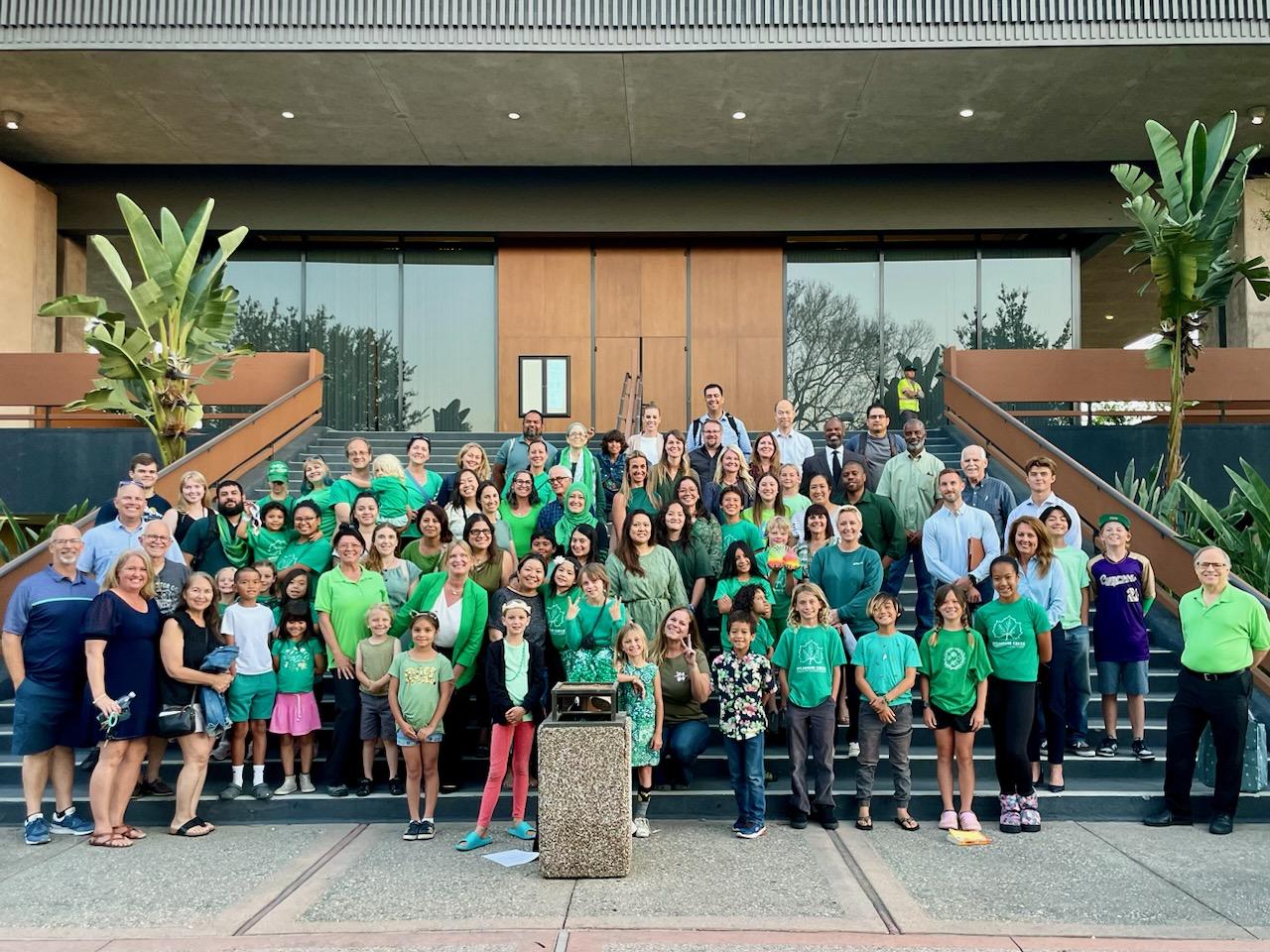
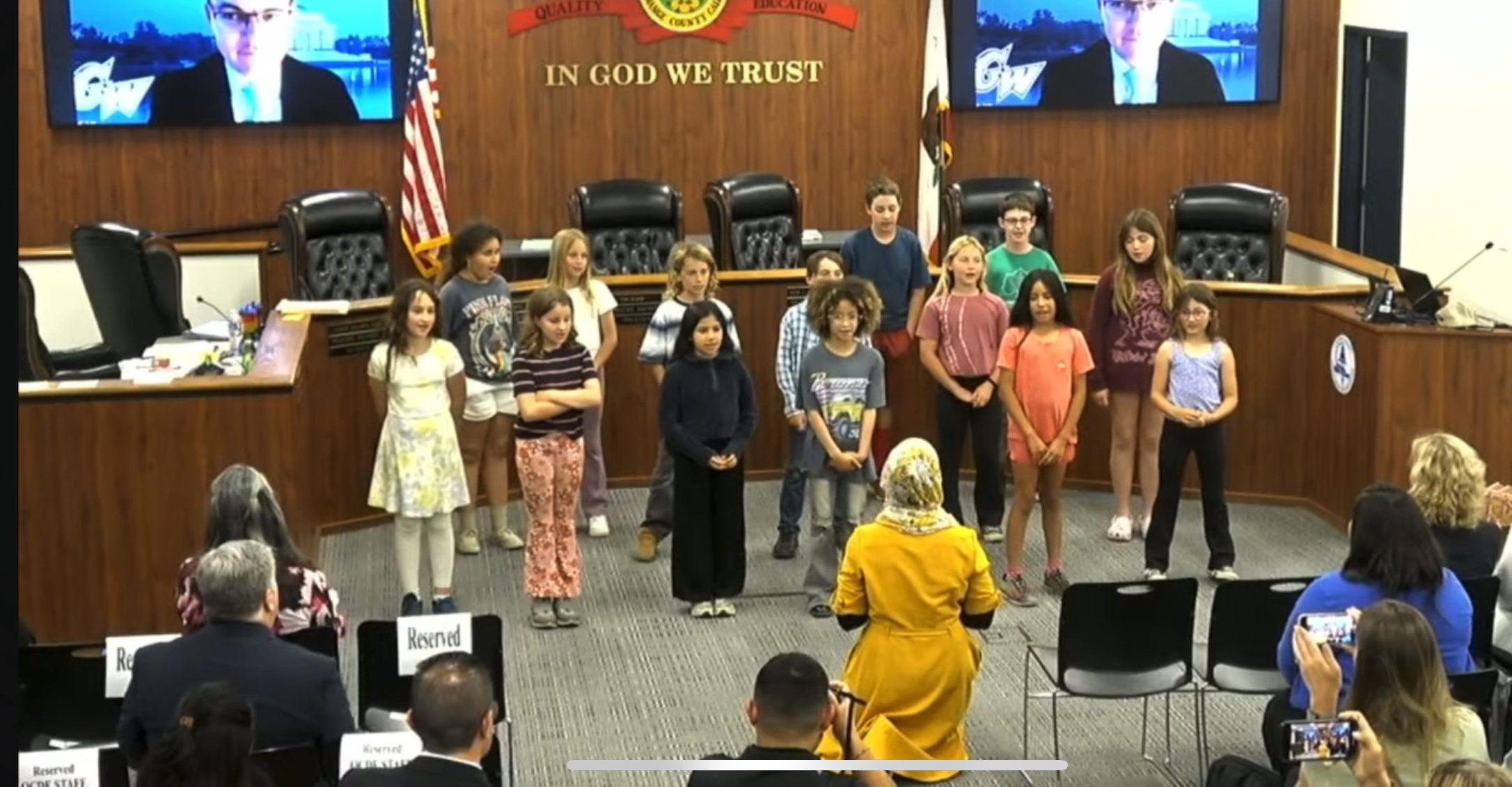
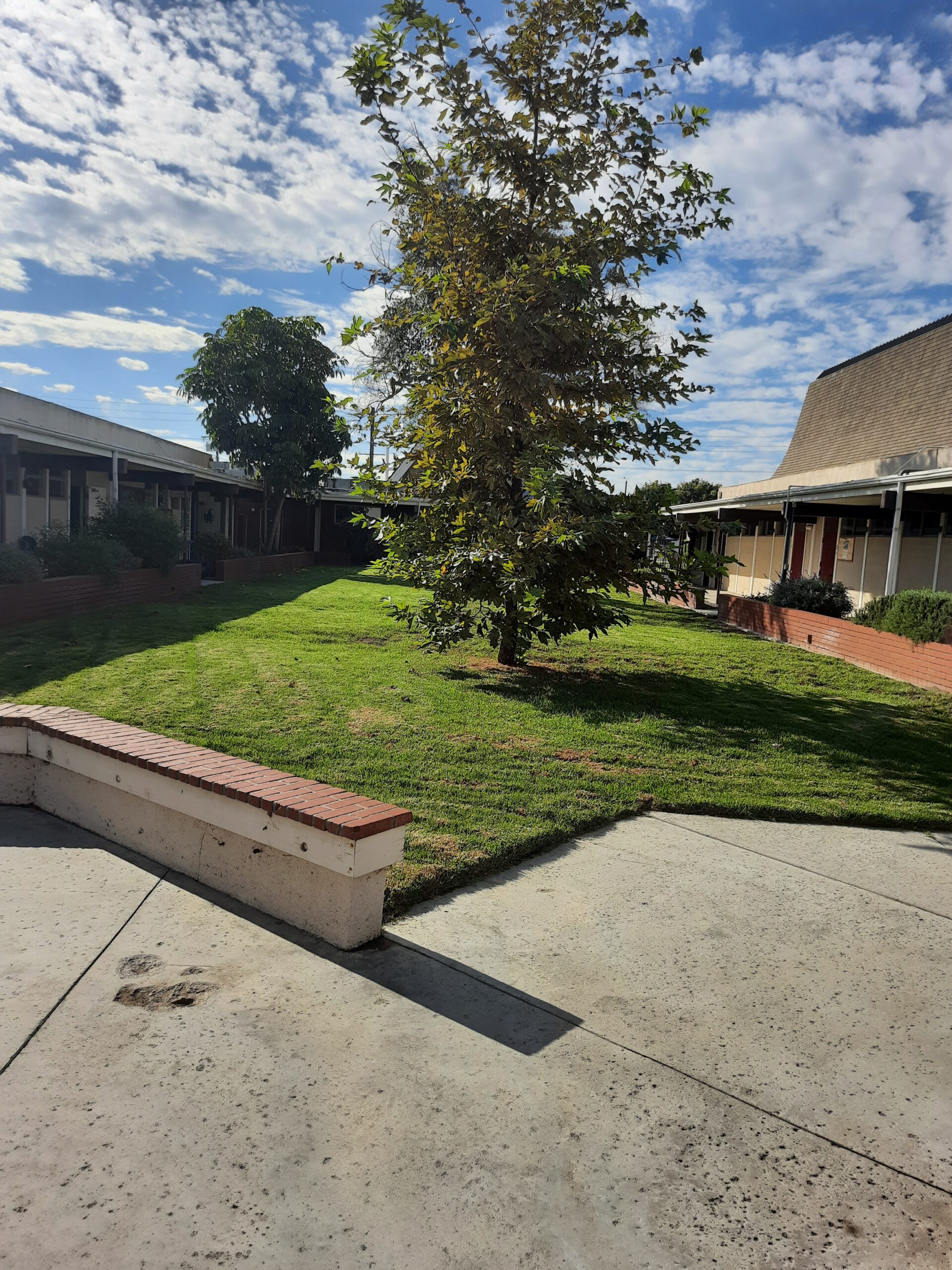
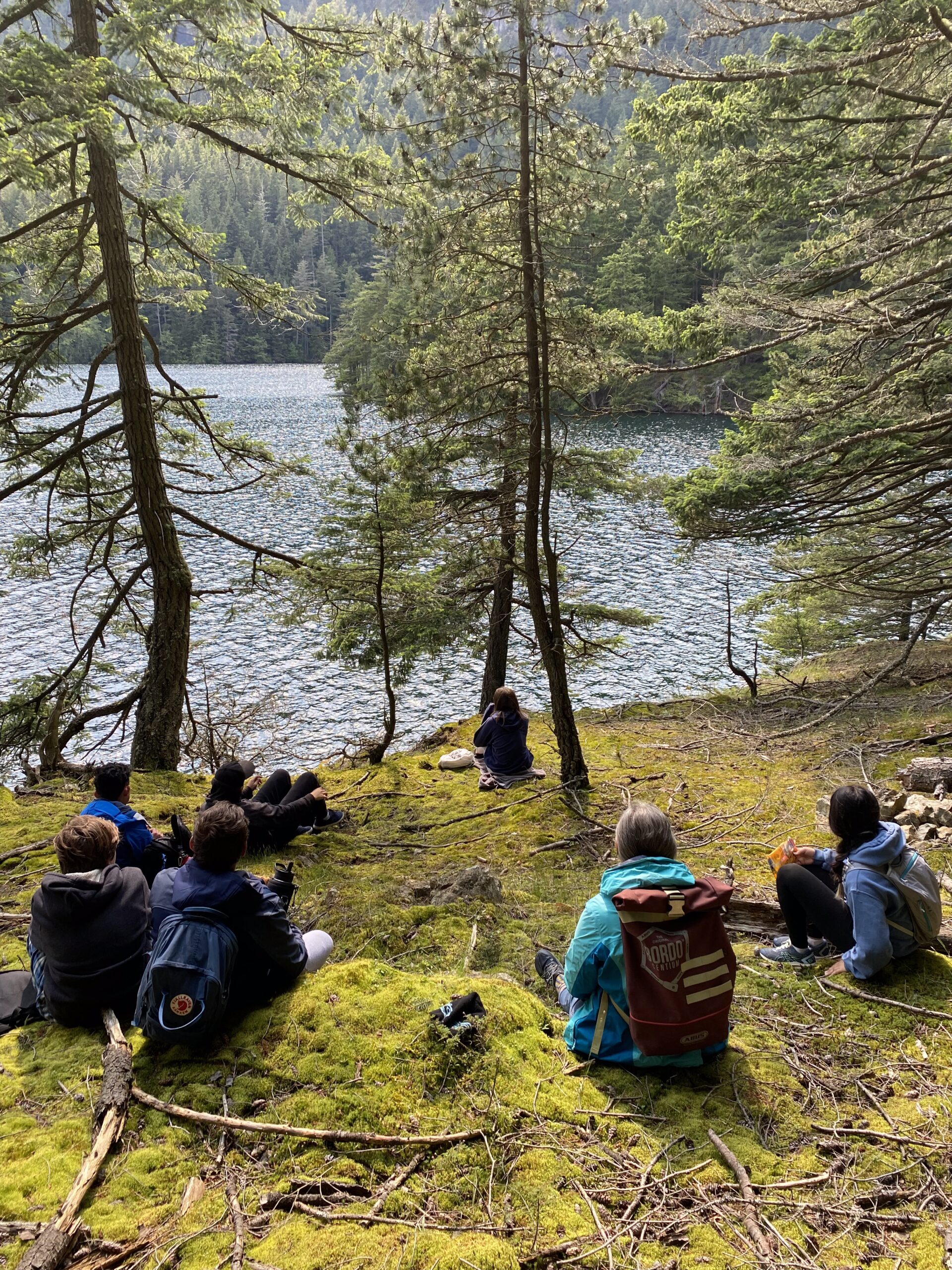
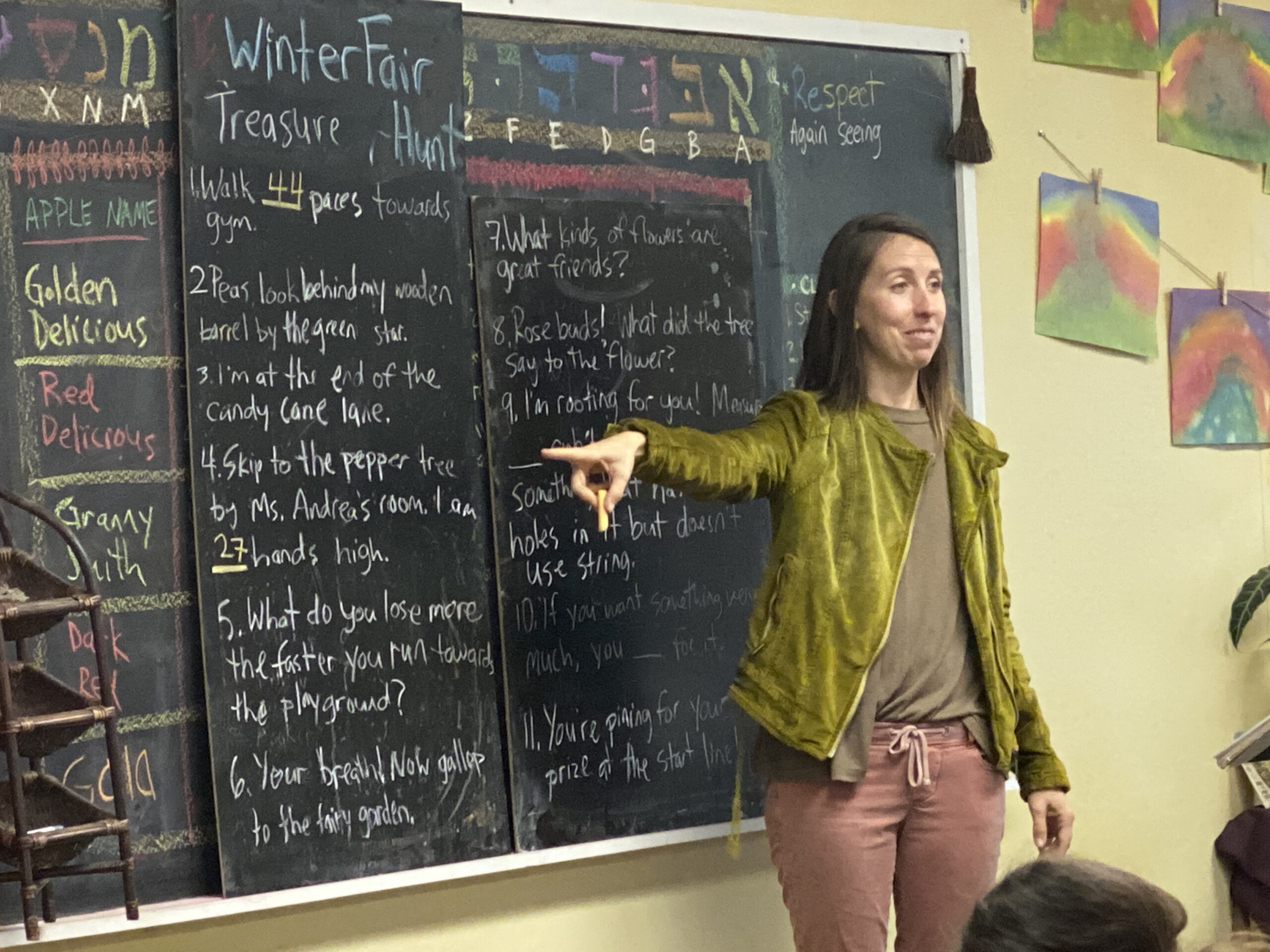
Welcome to Sycamore Creek Community Charter School
We are Guided by the Core Principles of Public Waldorf Education

Our Educational Model
Our curriculum, guided by the Core Principles of Public Waldorf Education, focuses on developing the child’s active will, and supports clear and independent thinking. SCCCS is committed to contributing to the healthy growth of the whole child at each stage of development. Our TK and Kindergarten teachers will exemplify for students a model of an engaged and energized individual, inspiring them to become active the imagination is stimulated and developed in stages to provide an evolutionary momentum for abstract thinking.
Expression, empathy and empowerment
Based on the work of Howard Gardner, each student should have the opportunity to develop multiple knowledge domains in order to become a well-rounded, successful person. These 9 domains, referred to by Gardener as Multiple Intelligences, are: linguistic, logic-mathematical, musical, visual-spatial, bodily/kinesthetic, interpersonal, intrapersonal, naturalistic, and existential. We believe Public Waldorf Education addresses all of these intelligences and that an effective approach begins with an inner vision of the child’s needs
Arts-integrated curriculum
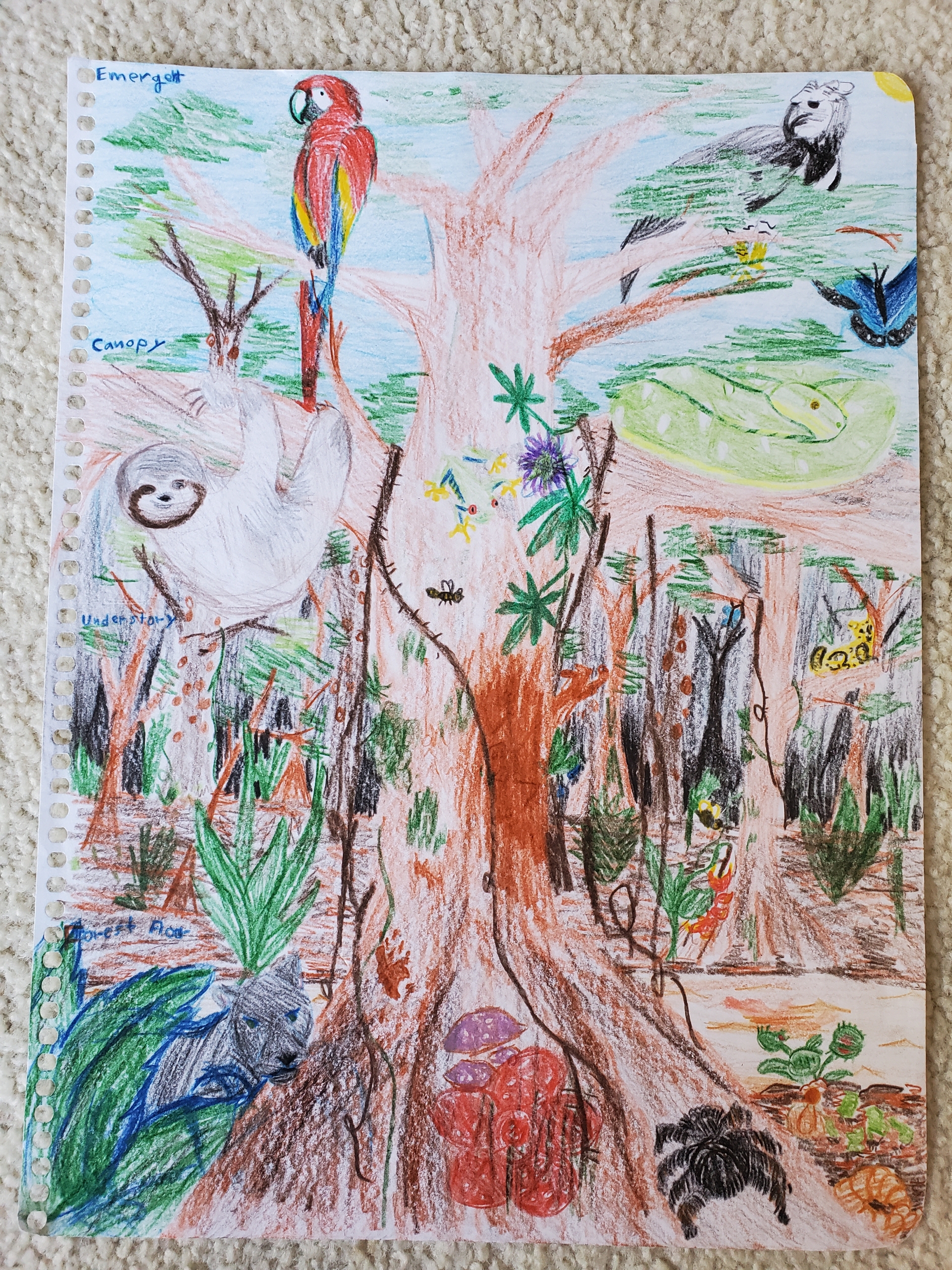
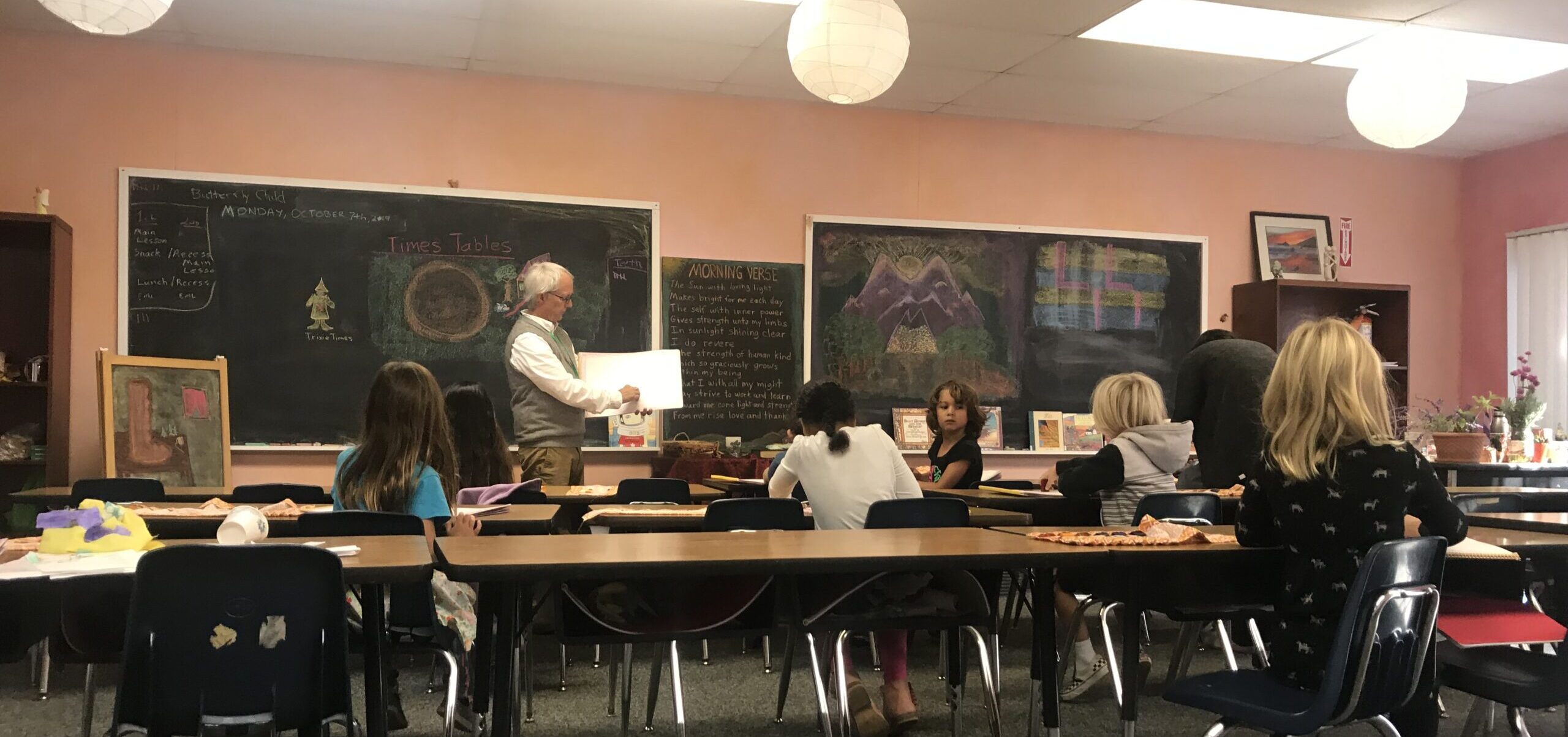
Our approach, guided by the Core Principles of Public Waldorf Education, ensures that the arts are fully integrated throughout the curriculum. Students use high quality art materials such as beeswax crayons and other natural materials to provide a deeper connection to the earth and our history. Students explore visual and performing arts, painting, drawing, drama, singing, and instrumental music to enrich and enliven learning throughout the day. Additionally, recent research shows that students who study the Arts consistently perform better in academic pursuits.
Sycamore Creek Community Charter School is one of more than 1,000 institutions whose approach to education is founded on the ground-breaking work of Rudolf Steiner (1861-1925). The first Waldorf school opened its doors in 1919 for the children of workers in the Waldorf-Astoria Cigarette Factory in Stuttgart, Germany. The innovative school attracted immediate interest among people seeking a new way of educating children, and now Waldorf Education one of the fastest growing education movements of this century with schools opening all over the world.
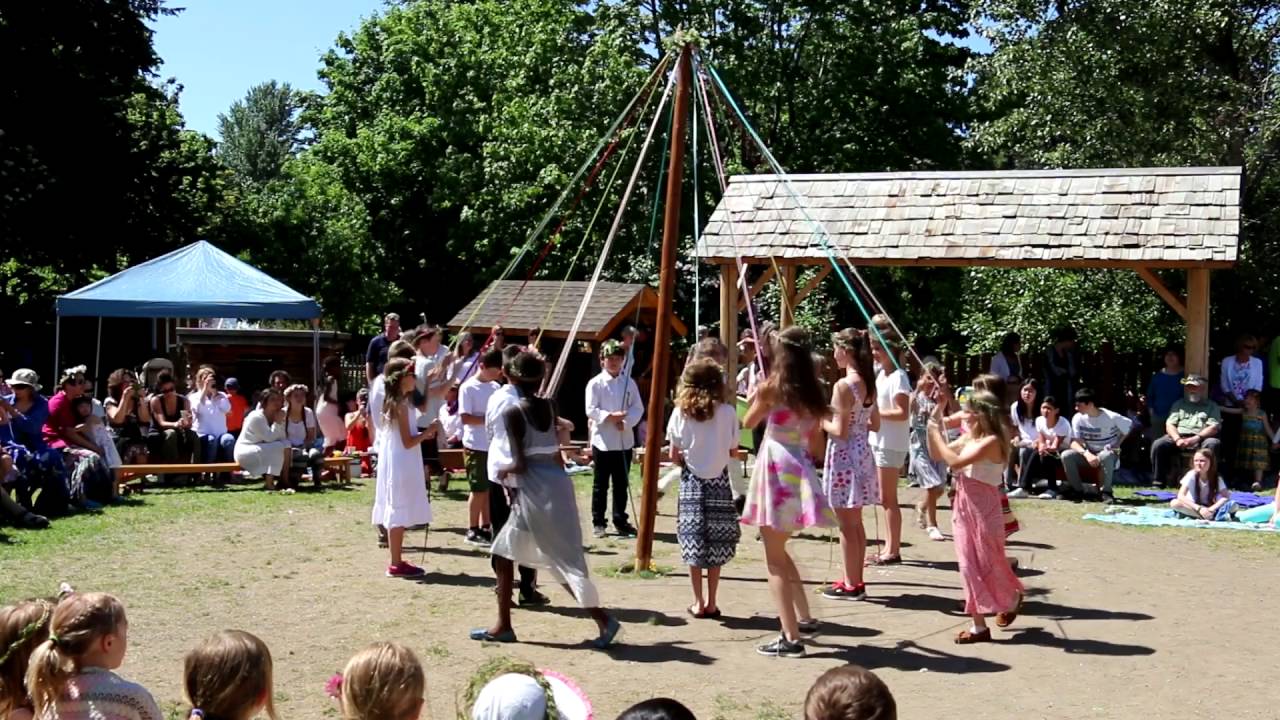
Waldorf Education is based on a profound understanding of human development that addresses the physical, emotional, and intellectual needs of the growing child. Waldorf teachers strive to transform education into an art that educates the whole child—the heart and the hands, as well as the head. “Head, heart, and hands” education links academic instruction with education of the heart by appealing to children’s feelings through stories, art education, and class projects, and education of the hands is accomplished by stimulating children’s will to complete each task beautifully and persevere through bigger projects to see every knitted hat, vegetable garden, or orchestra piece to completion.
The Three C’s of “Hardiness”
At Sycamore Creek Community Charter we believe in fostering the concept of “hardiness” in our students.
This prepares them to persevere through adversity as they pursue their interests and goals.
COMMITMENT
People who are high in commitment have an understanding that they are part of a larger purpose. They find more meaning in their work, are more focused on the process than the goal, and are able to look at obstacles as minor setbacks rather than major roadblocks.
CONTROL
People who have a sense of control can take charge of a situation and feel they have an amount of influence over its outcome. They also understand what lies outside their control which allows greater focus of their energy. Hardy individuals tend to be less distracted, more apt to complete their goals, and happier in the process.
CHALLENGE
Students with hardiness enjoy challenge. To them, mistakes are cause for learning, losses are preludes to winning, and weaknesses create opportunities for personal growth. This optimistic, attitude about the world, and the interaction between the two encourages higher levels of motivation and easier adaptability to change.
Community of Care
At Sycamore Creek we want all children and families to feel welcome and valued. We foster this environment through a culture of of care. We are united by the idea that we think school should be a place where we all feel we are important, matter, have interesting ideas, and things to say and do. We want school to be a place where everyone has the opportunity to sing, dance, learn how to play a flute, a recorder, and a violin. We think it needs to be a place to learn how to speak, read, and write in multiple languages, and play games that are not always about being the winner, but maybe just having fun with friends. We also think we can all paint beautifully and even learn to knit and sew. We are also united in the idea that learning what in other schools might be considered “hard subjects” are actually opportunities to see patterns in numbers, count dragon tears—and discover different theorems through stories. While it is all these things, most importantly, it is a place that we want you all to want to be at- to come to. This is OUR school, our community, and our “home away from home”. Where we care for ourselves, our classrooms, and eachother.